Why nobody smiled in old photographs
The stern faces in early portraits are not a sign our ancestors were miserable. Here is why nineteenth-century photographs look so serious, and when people finally learned to smile.
Yarden Cohen · 1 October 2026 · 4 min read
People did not smile in old photographs because early cameras required subjects to hold completely still, and cultural standards treated a portrait as a formal life document rather than a casual snapshot. Holding a wide grin for minutes produces a strained grimace, so keeping facial muscles relaxed was the only practical choice. A serious face was also considered a mark of dignity, maturity, and good taste.
The physical demand of long exposures
The earliest photographic methods, such as the daguerreotype, needed considerable light and time to burn an impression onto a chemically treated plate. Depending on the weather and the glass skylights of a studio, a person had to remain frozen for several minutes.
Trying to hold an open smile for even thirty seconds causes cheek muscles to tremble. As the corners of the mouth begin to twitch, the expression turns into an unnatural sneer. If the subject moves their lips slightly, the entire face turns into a muddy blur. Photographers taught their clients to relax their jaws, close their lips comfortably, and breathe gently through the nose. This neutral expression ensured a sharp image on the final print.
Studios even used hidden metal headrests placed behind the chair. A small curved iron bracket rested against the base of the neck to prevent subtle swaying. The contraption looked intimidating, but it kept the sitter motionless while the silver plate soaked up the light.
Following the tradition of painted portraits
Before cameras existed, only the wealthy could afford to preserve their appearance through oil paintings. When photographic studios opened across cities and small towns, portrait photographers adopted the long-standing customs of fine art.
For centuries, formal portraiture in Europe avoided open-mouthed smiles. In classic painting, wide grins were usually reserved for depictions of jesters, street performers, or people who had lost their wits. Aristocrats, scholars, and merchants kept a dignified, closed-mouth posture. Early sitters naturally wanted that same timeless respectability.
Getting a portrait made was often a once-in-a-lifetime milestone. A family saved money, dressed in their finest Sunday clothes, and traveled to the studio to create a permanent heirloom. Leaving a grin behind for future generations felt frivolous, like giggling in a court of law or during a solemn religious rite. The portrait was meant to record character and lineage, not a fleeting mood.
Dental health and vanity
There was also a very simple personal reason to keep lips pressed shut: dental care was rudimentary. Before the rise of modern hygiene and restorative dentistry, teeth often became chipped, decayed, or missing early in life.
Sitting for a costly portrait was an exercise in looking one's absolute best. Showing teeth would immediately reveal flaws that a subject preferred to hide. Keeping the mouth closed allowed anyone to present an even, composed face to the lens.
The traveling photographer and rare candid moments
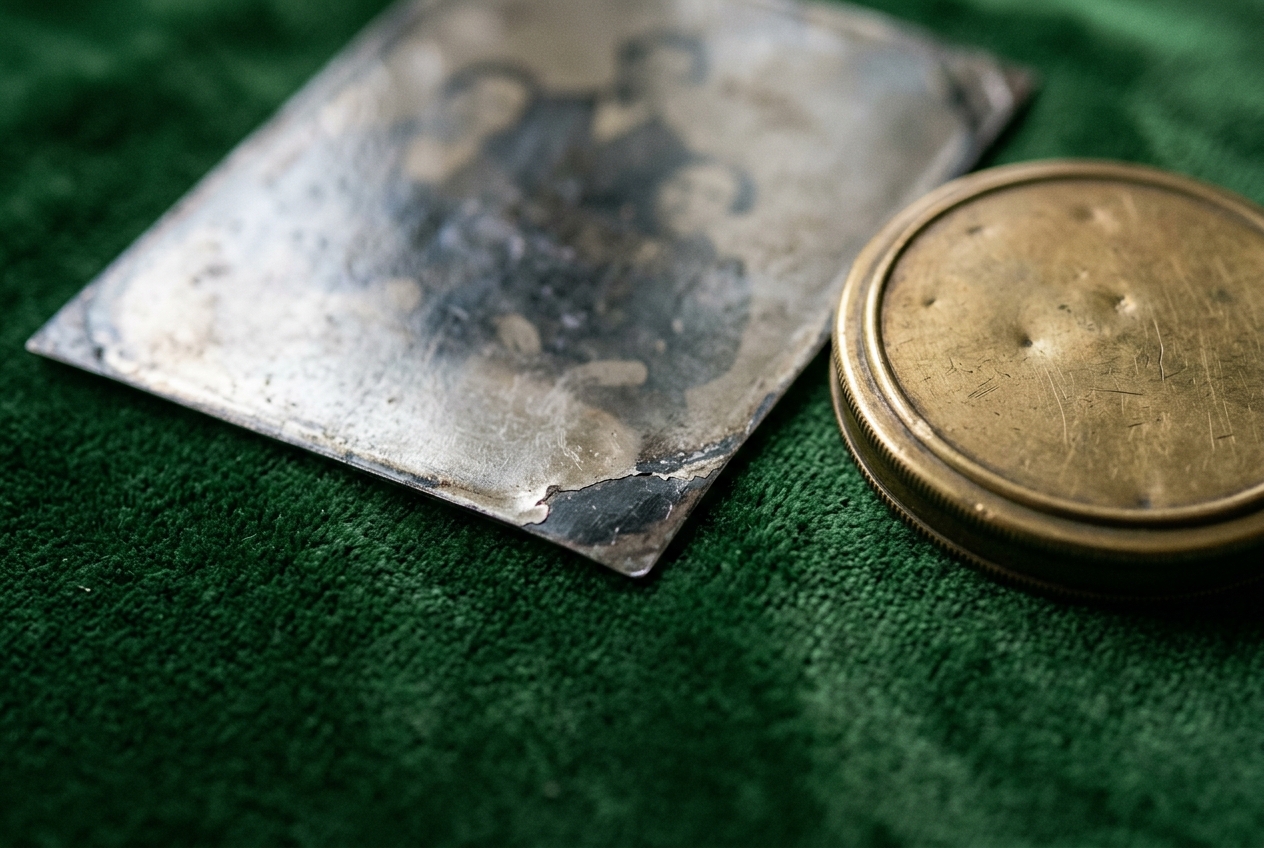
As camera technology progressed into the middle of the nineteenth century, newer formats like tintypes and ambrotypes cut down exposure times and reduced costs. Tintypes, printed on thin sheets of enameled iron, were quick to produce and durable enough to carry in a pocket.
Traveling photographers began setting up canvas tents at town fairs, beach resorts, and military camps. In these casual settings, sitters occasionally let their guard down. If you look closely at tintypes from the late Victorian period, you can sometimes catch two friends holding hands, a boy with a subtle smirk, or two soldiers failing to hold back a chuckle. Because exposure times were down to just a few seconds, these slips of humor survived on the metal plate. Human warmth was always there; earlier cameras simply lacked the speed to catch it.
The arrival of the snapshot
The cultural shift toward cheerful faces arrived around the turn of the twentieth century, driven by faster film chemistry and the invention of portable roll film cameras. When Eastman Kodak introduced the inexpensive Brownie camera, photography moved out of the solemn studio and straight into family backyards.
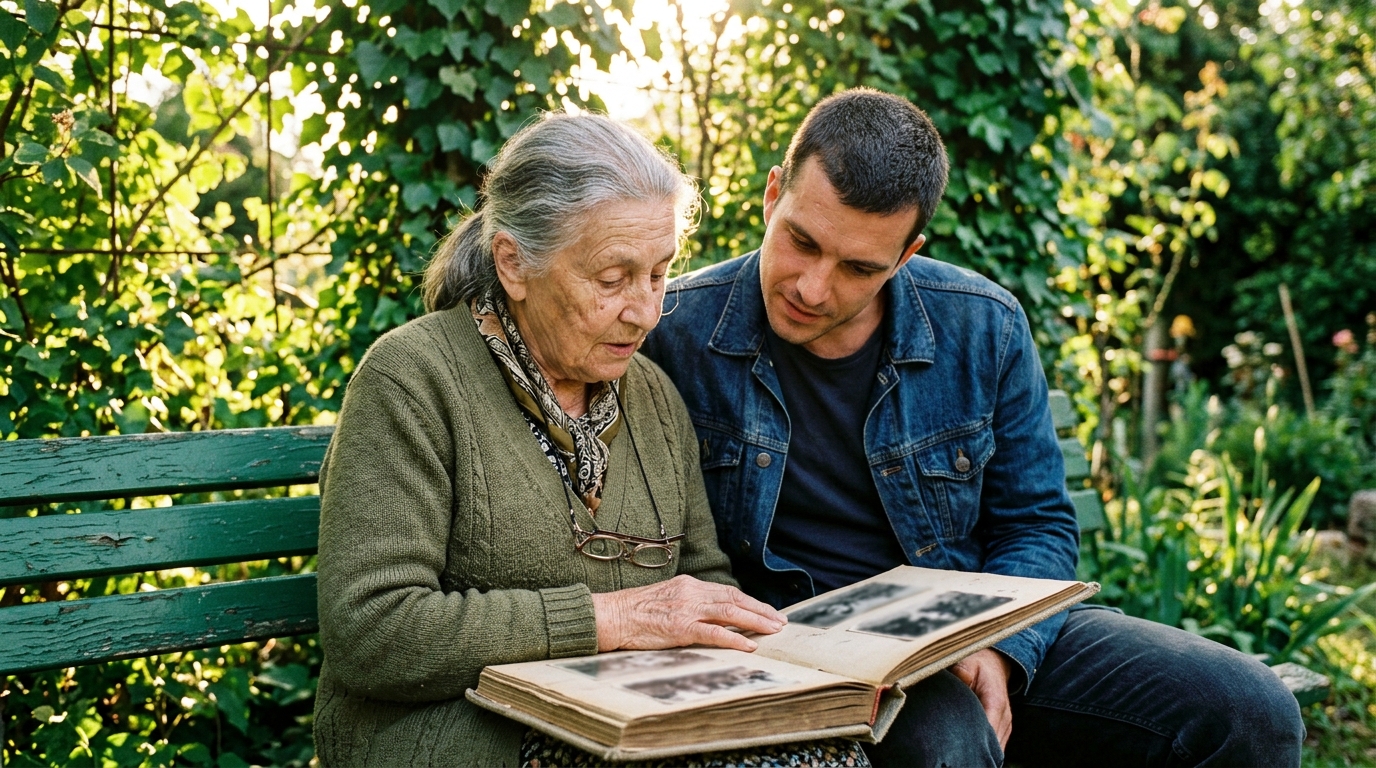
Amateurs could suddenly point a small box at children playing, friends on a picnic, or dogs running across a lawn. You did not have to visit a professional or freeze against an iron stand. Eastman's advertisements deliberately showed smiling faces outdoors, popularizing the idea that photography was a celebration of leisure and fun. If you look at the evolution of the family photo, the decades after 1900 show stiff studio poses giving way to laughter and casual movement. As people gathered these snapshots into albums, smiling became the expected pose for everyday life, tracing the early history of the family photo album.
Bringing old family faces to life
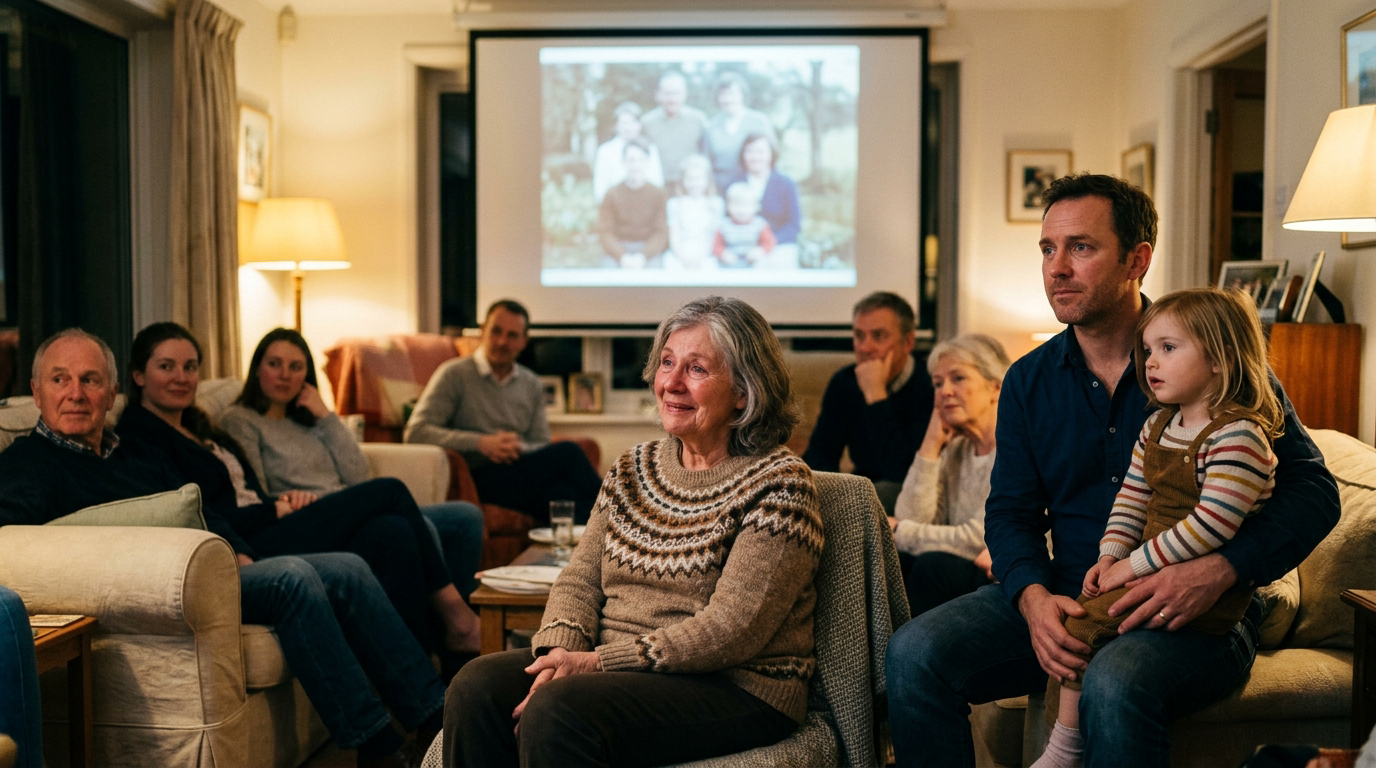
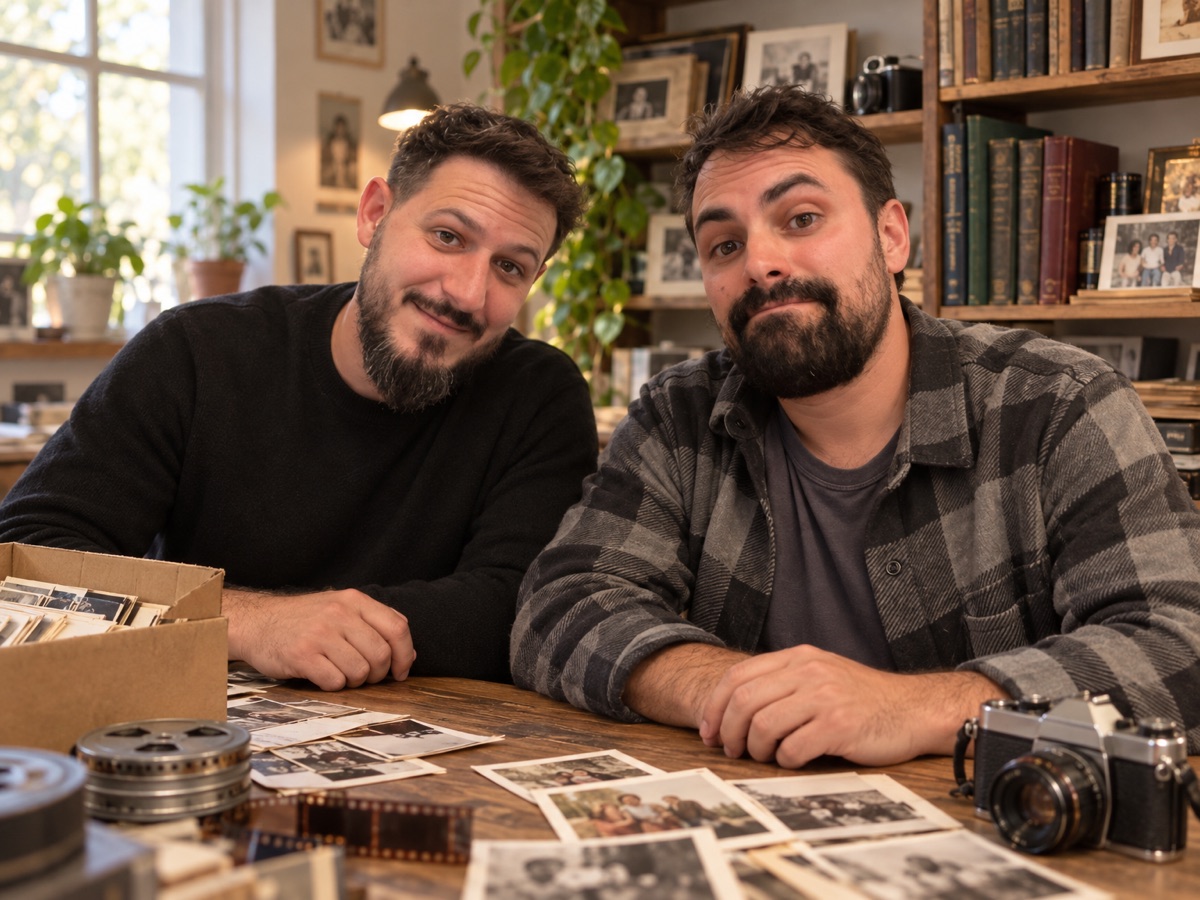
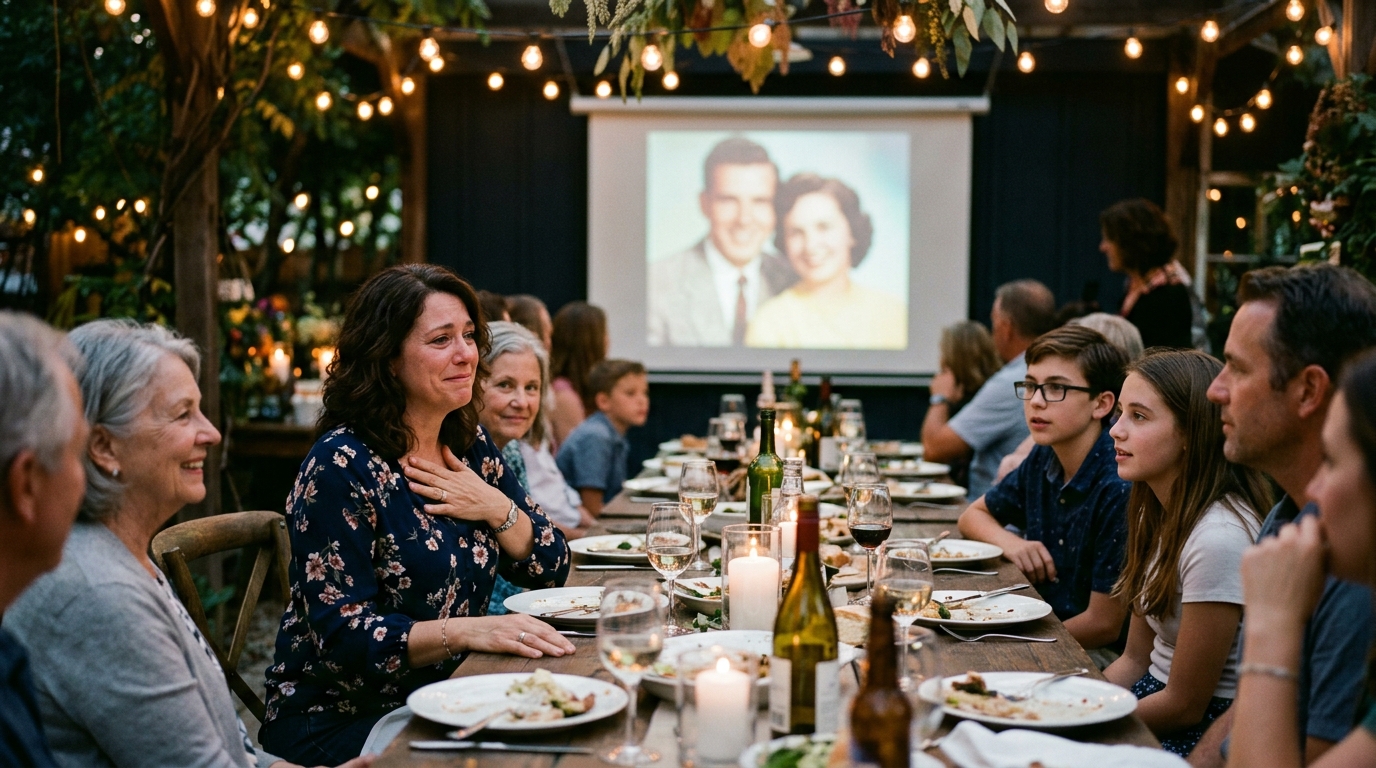
When you sift through old boxes while choosing photos and videos for an upcoming gathering or milestone, those stern portraits can feel distant. It is easy to assume our ancestors lived difficult, humorless lives.
Yet the clues to their personalities are visible if you look closely. Look at the corners of their eyes for tiny crinkles of humor. Notice how a husband gently rests his hand over his wife's fingers, or how a mother pulls her young daughter close against a heavy wool skirt. They were not unhappy; they were simply working hard to stay still so their picture would come out crisp.
Linof turns still family photographs into a short moving film set to music, repairing scratched prints and creating a short moving shot from an ancestor's face, with the first animation free. Seeing an unmoving Victorian portrait blink and turn into a natural motion helps everyone in the room connect with the real person behind the formal posture.
The next time you look at a serious portrait from a century ago, remember that the person in front of the lens was likely holding back a smile just to ensure you could see them clearly today.
Questions
Why did people look so angry in Victorian photos?
They were not angry, but holding their facial muscles completely relaxed to stay still during long camera exposures. Any small movement or smile during the exposure would turn the face into a blurry shape on the plate.
Did people have bad teeth in old photos?
Yes, dental hygiene was poor in the nineteenth century, and missing or chipped teeth were widespread. Keeping the lips closed allowed subjects to look their best and avoid displaying visible dental flaws in their portraits.
When did people start smiling in photos?
People began smiling in photographs around the early 1900s with the rise of handheld snapshot cameras. Faster exposure times and casual advertising encouraged families to take spontaneous pictures of daily fun outdoors.
Written by
Yarden Cohen