A short history of the wedding photograph
Wedding photography began as a rigid studio portrait taken weeks after the ceremony. See how a century of camera technology created the candid shots we know today.
Yarden Cohen · 1 October 2026 · 5 min read
Wedding photography began as a single, formal studio portrait taken days or even weeks after the vows. Early nineteenth-century cameras required intense daylight and long exposure times, making it impossible to capture a ceremony inside a dim church or record people in motion. It took more than a century of chemical and mechanical inventions to move cameras from iron studio stands to the dance floor.
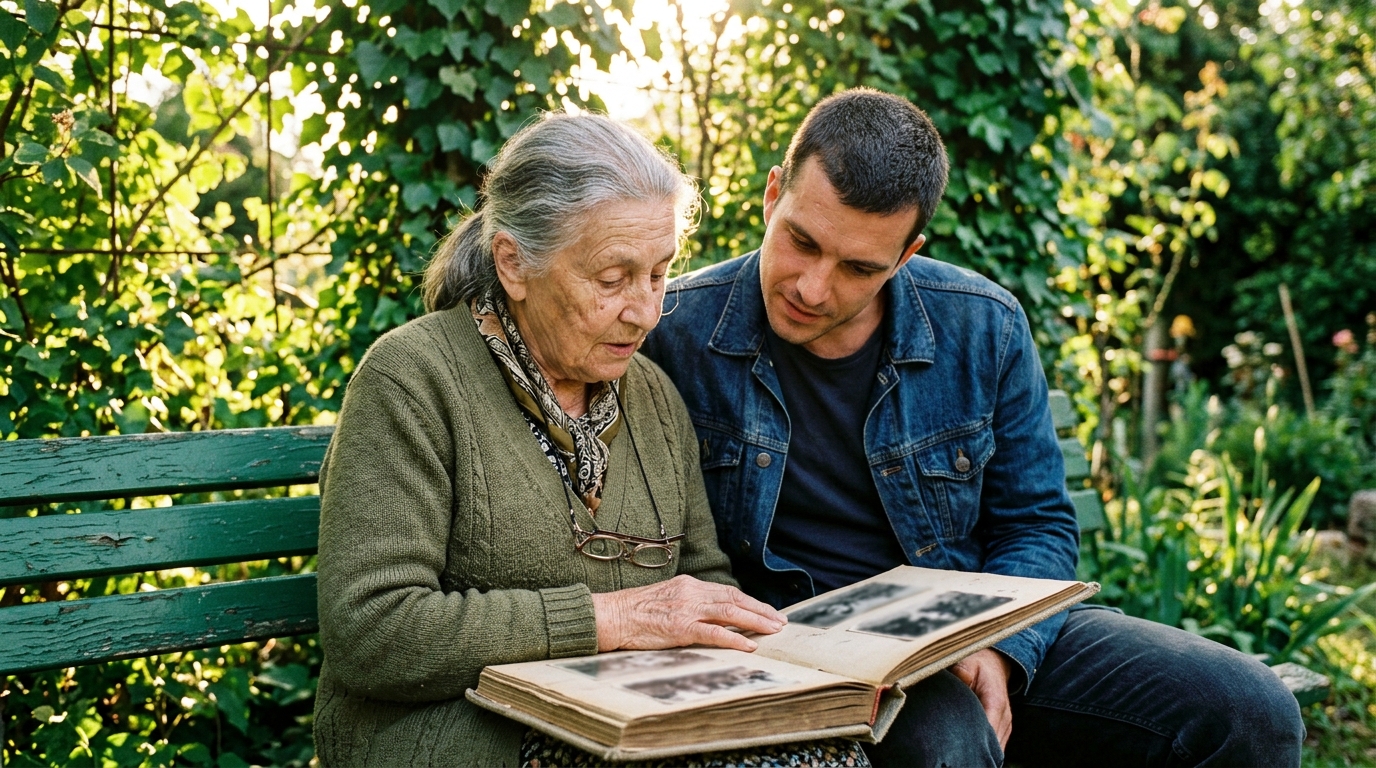
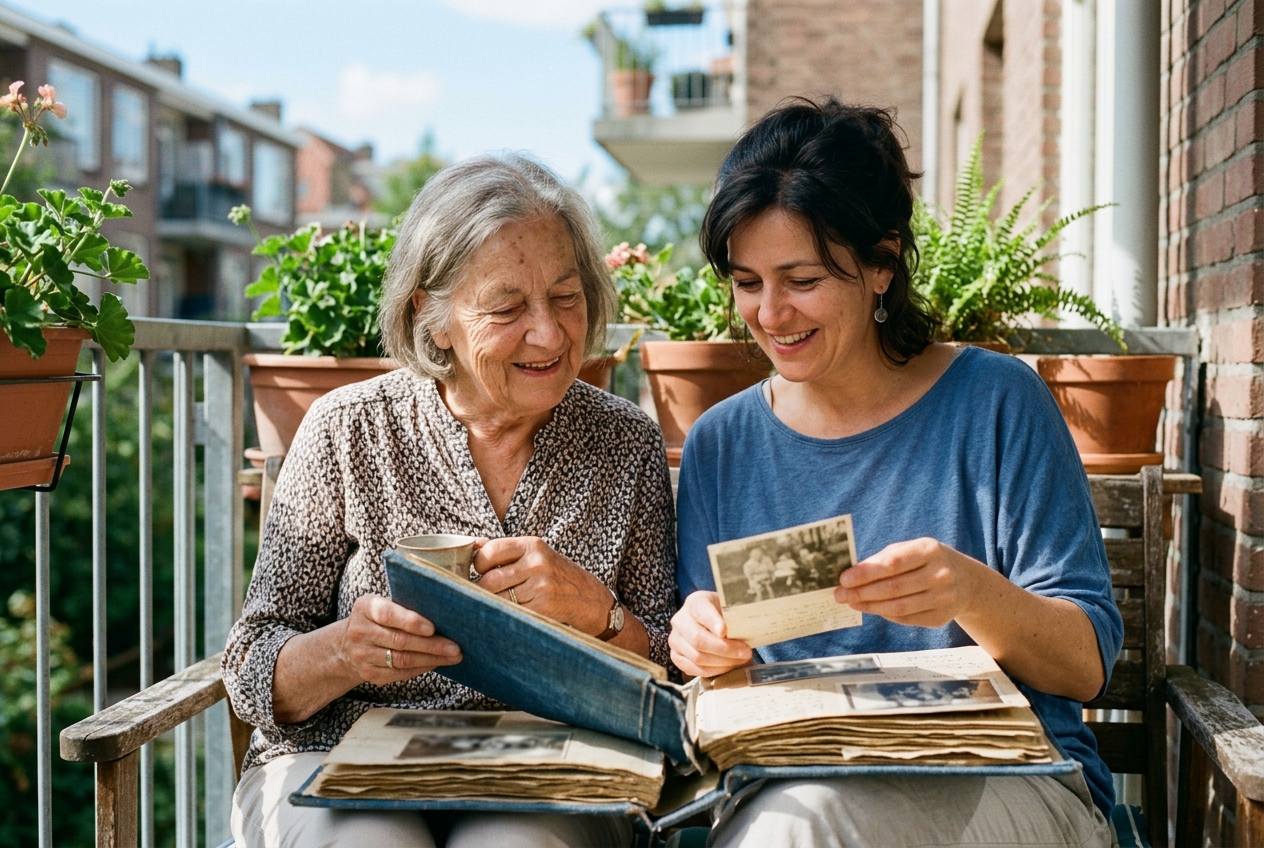
When you open an inherited family album, you can see these technical shifts across the generations. Your great-grandparents might sit stiffly against a painted studio backdrop, unsmiling and formal. Your parents might appear in a slightly faded color print from the 1970s, laughing with cake on their fingers. Learning how wedding photography evolved helps you date old pictures in your family collection and understand the real constraints our ancestors faced when making memories.
The era of the single studio portrait
In the 1840s and 1850s, photography was rare, delicate, and expensive. Couples did not hire a photographer to attend their wedding day. Instead, they put on their best clothing and traveled to an urban studio to sit for a daguerreotype or ambrotype.
Because photographic emulsions reacted slowly to light, exposures lasted anywhere from several seconds to a full minute. Subjects had to remain perfectly still. Photographers used cast-iron neck braces and waist clamps hidden behind chairs to steady people during the exposure. Any sudden movement resulted in a ruined, ghostly blur. This mechanical requirement explains why nobody smiled in old photos. Holding a genuine smile for thirty seconds without twitching is nearly impossible, while a relaxed, solemn expression can be held comfortably.
Dedicated wedding dresses were also uncommon for ordinary families during this period. Queen Victoria wore a white lace gown in 1840, which set a royal trend, but most brides simply wore their finest Sunday garment: often dark wool or silk that could be worn again for church services. The studio portrait was less a record of a party and more a legal and social document showing that two adults had entered a household partnership.
Moving out to the church steps
By the late nineteenth century, glass dry plates and gelatin roll film replaced wet chemicals that had to be mixed on the spot. Photographers could pack their gear into cases, mount large wooden cameras on sturdy tripods, and travel directly to the venue.
Even with portable gear, indoor ceremony photography remained out of reach. Churches and synagogues were dark, and early flash methods relied on igniting trays of magnesium powder. This produced a blinding flash, a loud pop, and a cloud of smelly, suffocating smoke that settled over the altar and the guests. As a result, photographers kept their equipment outside.
The standard wedding photo of the late Victorian and Edwardian eras became the outdoor porch or church steps group shot. The photographer arranged the bride, groom, parents, and bridal party in bright, indirect daylight. Everyone held still for two or three seconds while the shutter opened and closed. The actual ceremony inside remained unrecorded, existing only in the memories of the people present.
The post-war boom and the structured album
After 1945, two massive changes collided: a worldwide marriage boom and the arrival of commercial flashbulbs. Flashbulbs allowed photographers to shoot inside reception halls without setting off clouds of smoke. At the same time, smaller medium-format cameras allowed a photographer to walk around tables rather than remaining tied to a tripod.
This era established the professional wedding photographer as an essential vendor. Studios began offering complete packages that included a physical album containing a strict list of traditional shots. The history of the family photo album shifted rapidly during this decade, moving from personal scrapbooks to standardized, leather-bound keepsakes.
Photographers worked from a predictable checklist:
- The bride adjusting her veil in front of a mirror
- The father walking the bride down the aisle
- The couple cutting the tiered cake together
- The toast delivered by the best man
- The couple waving through the back window of a decorated car
These poses were rehearsed and deliberate. While the images looked like moments from the event, the photographer often staged them before the guests arrived or recreated them after the ceremony ended.
The candid revolution on the dance floor
During the 1970s and 1980s, photographers began carrying lightweight 35mm cameras with fast lenses. Instead of directing every movement, they adopted photojournalistic methods borrowed from newspaper reporting.
Couples no longer wanted only static, formal portraits. They wanted candid images that showed the actual atmosphere of the day: children running between tables, grandparents laughing together, and the energy of the dance floor late in the evening. Faster color film allowed photographers to capture dim banquet rooms without washing out the background with harsh light.
These years also introduced home video to weddings. Families began hiring videographers with bulky shoulder cameras or filming segments on Super 8 film, creating sound and motion records alongside printed stills.
How to date old wedding photographs
If you have a box of inherited photos without names or dates, look at the physical attributes of the prints to find their era:
- Check the image format and support. A metal plate with a dark backing is an ambrotype or tintype from the nineteenth century. Thick cardboard mounts with studio stamps along the bottom point to the 1880s through the 1910s.
- Look at the borders and paper finish. Black and white prints with deckled, scalloped edges were common throughout the 1940s and 1950s. Square color prints with rounded corners and silk or matte textures generally come from the 1960s or 1970s.
- Examine background details. Look past the bride and groom at the guests and the street. Car shapes, bumper styles, necktie widths, and eyeglass frames will often date a mystery photograph within a five-year window.
Preserving fragile wedding prints
Old wedding prints face different risks depending on when they were made. A black and white silver gelatin print from 1920 stored in a dry closet can remain clear for over a century. In contrast, color prints from the 1970s and 1980s often fade rapidly. The cyan and yellow dyes break down, leaving photos with a heavy orange, red, or magenta cast.
Magnetic photo albums from the late twentieth century present another danger. The sticky adhesive strips and plastic film covers contain acids that yellow photo paper and bond permanently to the print surface over time. Scanning these prints halts further loss and gives your family a clean digital copy.
When preparing for a milestone celebration, like an anniversary party, gathering these historical wedding images creates a meaningful centerpiece. Linof repairs old photos, restores their natural color, and turns them into a short moving shot with music for a wedding or anniversary film, and your first animation is free.
Tracing the history of the wedding photograph reminds us that every generation wants the same thing: to hold onto the people they love on a day of celebration. Whether your family photos show a quiet studio portrait from a century ago or a grainy dance floor snapshot, saving them ensures those beginnings remain part of your shared story.
Questions
Why did people look so serious in nineteenth-century wedding photos?
Early camera technology required exposures that lasted anywhere from several seconds to a full minute. Holding a relaxed smile for that long without moving was nearly impossible, so photographers instructed subjects to keep a neutral, closed-mouth expression to prevent blurring.
When did brides start wearing white in wedding photographs?
Queen Victoria popularized the white wedding dress in 1840, but the practice spread slowly among ordinary families. Throughout the nineteenth and early twentieth centuries, most brides simply wore their best dark dress, which could be washed and reused for church or formal events.
How can I tell the date of an old color wedding photograph?
Look at the print shape, the paper texture, and the background details. Square prints with matte finishes or rounded corners generally date from the 1960s or 1970s, while guest hairstyles, wide suit lapels, and nearby cars can narrow the date down to a specific decade.
Written by
Yarden Cohen