The rise and fall of the VHS tape
How a bulky plastic cassette beat Betamax, captured decades of family memories, and eventually gave way to digital files.
Yarden Cohen · 1 October 2026 · 5 min read
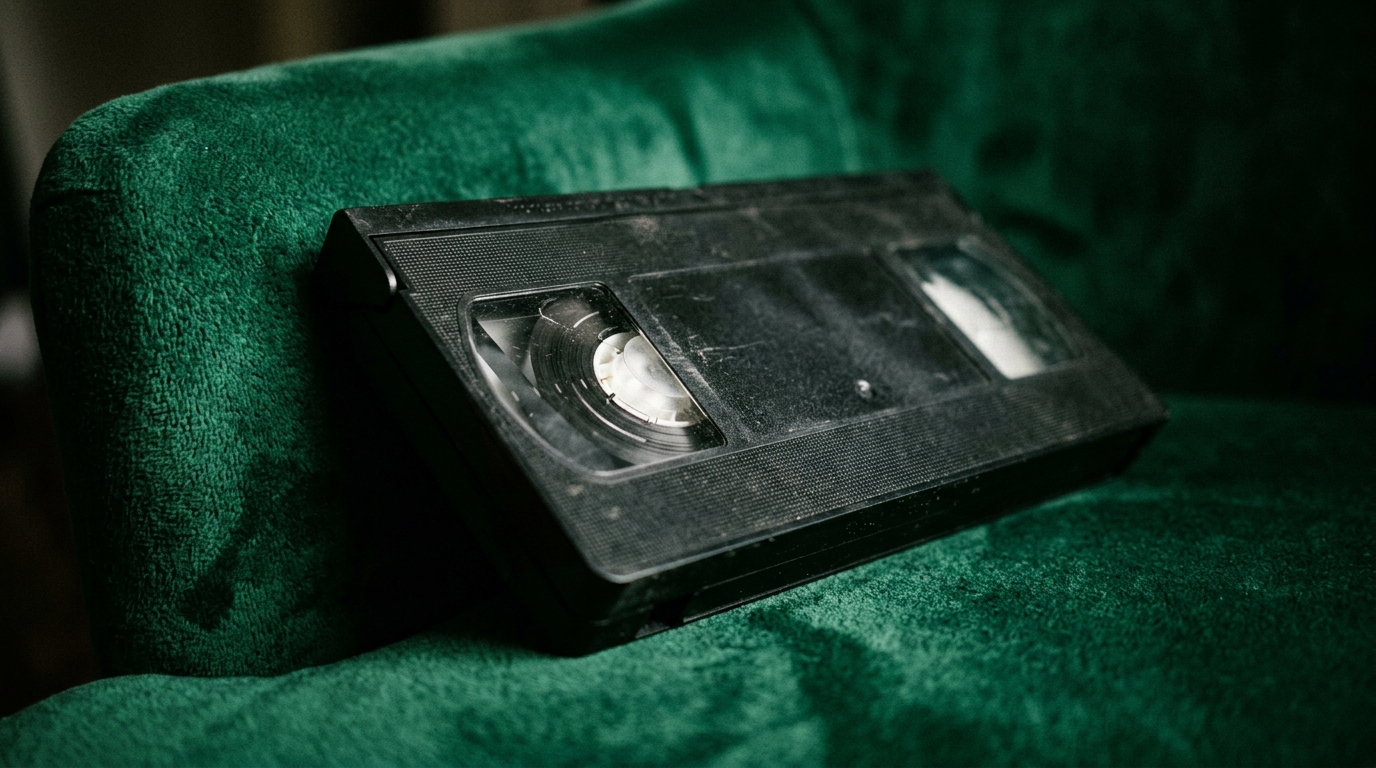
The VHS tape won the living room because it held two hours of video on a single cassette and gave families an affordable way to record everyday life. For nearly three decades, these black plastic cassettes carried everything from prime-time television broadcasts to living room birthday parties. The format finally vanished because magnetic tape decays naturally over time, and optical discs and digital storage offered faster, cleaner playback without mechanical wear.
The battle for the living room
Before home video cassettes, television was strictly temporary. If you were away from the couch when a show aired, you missed it. That changed in the mid-1970s when home video recording hit consumer shelves. Sony arrived first with Betamax, offering compact tapes with sharp picture quality. JVC followed soon after with the Video Home System, known simply as VHS.
Betamax offered a slightly sharper image, but VHS offered the feature ordinary households cared about most: time. A single VHS tape could hold two hours in its standard recording speed, enough to capture an entire feature film or sports broadcast without flipping or changing the cassette. JVC also licensed the system widely to other electronics brands, which kept the cost of players down and filled storefronts with machines. By the early 1980s, video rental shops were opening everywhere, stacked from floor to ceiling with plastic clamshell cases. The habit of renting a tape for the weekend and rewinding it before heading back to the store became part of everyday life.
Camcorders and unscripted family history
While Hollywood movies helped sell the playback decks under television sets, the home camcorder changed how people documented their lives. Earlier home formats, such as 8mm or Super 8 reels, were expensive to purchase and develop. A spool of movie film lasted only a few minutes, which meant families reserved shooting for major milestones like weddings or graduations. People stood upright, posed, and held their smiles until the motor stopped running.
The VHS cassette swept away that hesitation. Because blank tape was inexpensive and could record for hours, parents left the camera running. It captured the slow stretches of summer vacations, messy kitchens on holiday mornings, and children learning to walk across carpeted living rooms. The earliest camera setups were heavy, requiring a camera on one shoulder connected by a thick cable to a separate deck slung over the other. By the late 1980s, all-in-one camcorders rested comfortably against the shoulder or in one palm. You slid your hand through the strap, hit the red button, and peered into a tiny black and white eyepiece.

Tape speed and the cost to image quality
Every home video deck gave the user a choice between recording modes. Standard Play yielded the clearest picture and cleanest audio, running the tape across the recording head at full speed. Extended recording modes slowed the tape down, allowing four or six hours on a single standard cassette.
Many parents switched their camcorders to extended speeds to avoid buying fresh cassettes. That choice saved money on plastic, but it created problems decades later. At slower tape speeds, the magnetic track was narrower, capturing less signal. When people wonder why do VHS tapes look bad today, slow recording modes are often the true culprit: tracking lines jitter across the screen, fine details blur, and audio tracks carry a hollow hum.
Why the format reached its end
The plastic shell of a cassette protects a thin polyester ribbon coated in magnetic iron oxide particles and chemical binders. Over decades, that chemical binder absorbs moisture from the air, breaking down and growing sticky. When you wonder do VHS tapes degrade, the answer is rooted in that chemistry. If left unplayed in humid storage, the magnetic coating can flake off directly against the spinning video heads.
When the DVD arrived in the late 1990s, the mechanical quirks of magnetic tape suddenly felt outdated. A disc never required rewinding, offered direct chapter menus, and did not shed magnetic dust with every pass. By the mid-2000s, video rental chains replaced their cassette shelves with slim disc cases, and major studios stopped releasing movies on tape entirely. The last consumer VCRs rolled off the assembly line in 2016, ending forty years of continuous manufacturing.
How to organize old tapes
If you have a crate of old tapes sitting in a cupboard, sorting them into an orderly stack does not require watching every single hour. You can organize the collection with a few focused steps.
- Inspect each cassette case and window for loose tape, broken plastic, or white powdery mold along the edges of the spools.
- Label each tape with a removable paper tag or sticky note, giving each cassette a simple number.
- Spot check the tapes in a working player, fast-forwarding to identify a child's age, a holiday, or a date stamped into the corner of the frame.
- Group the cassettes by decade or family era so you know which contain irreplaceable personal moments and which are simply recorded television broadcasts.
Rescuing the footage today
Because working video decks are getting rarer and magnetic tape continues to dry out, digitizing home cassettes is the only way to keep those moments safe. You can set up an analog-to-digital converter on a home computer or hand the tapes over to a specialist transfer service. If you are preparing a tribute for a milestone, such as a wedding anniversary film, converting those older tapes gives you access to voices and events that have been locked away in plastic shells for decades.
Once your home videos and photo prints are converted into digital files, you still face the problem of what to do with hours of raw footage. With Linof, you can turn those old video clips and family photos into a finished short film set to music, with an opening title and closing words, and the first animation is free. The finished piece pulls the laughter and genuine moments out of unedited storage boxes and puts them back into the room where everyone can enjoy them together.
Questions
How long do recorded VHS tapes actually last?
Most VHS tapes begin to show noticeable signal decay within ten to twenty years. The magnetic layer breaks down faster when stored in damp, hot places like basements or attics. Tapes kept in dry, cool conditions can still play well after thirty years, but they should be digitized before the tape ribbon degrades further.
Why did VHS win the format war against Betamax?
VHS won primarily because standard cassettes could hold two hours of footage, long enough for an entire movie or sports game. Betamax initially held only one hour. JVC also licensed the VHS standard openly to many electronics manufacturers, keeping player prices lower for consumers.
Can I watch my old VHS tapes without a VCR?
You cannot watch a VHS tape directly without a player, because the magnetic ribbon requires mechanical heads to read the signal. To see the footage without buying an old VCR, you can send the cassettes to a professional digitizing service that transfers the video directly to digital files or a flash drive.
Written by
Yarden Cohen