Ideas to make a family reunion one everybody remembers
A memorable family reunion brings different generations together without forced fun. Here are practical ideas for activities, stories, and shared keepsakes.
Rachel Shiraz · 1 October 2026 · 5 min read
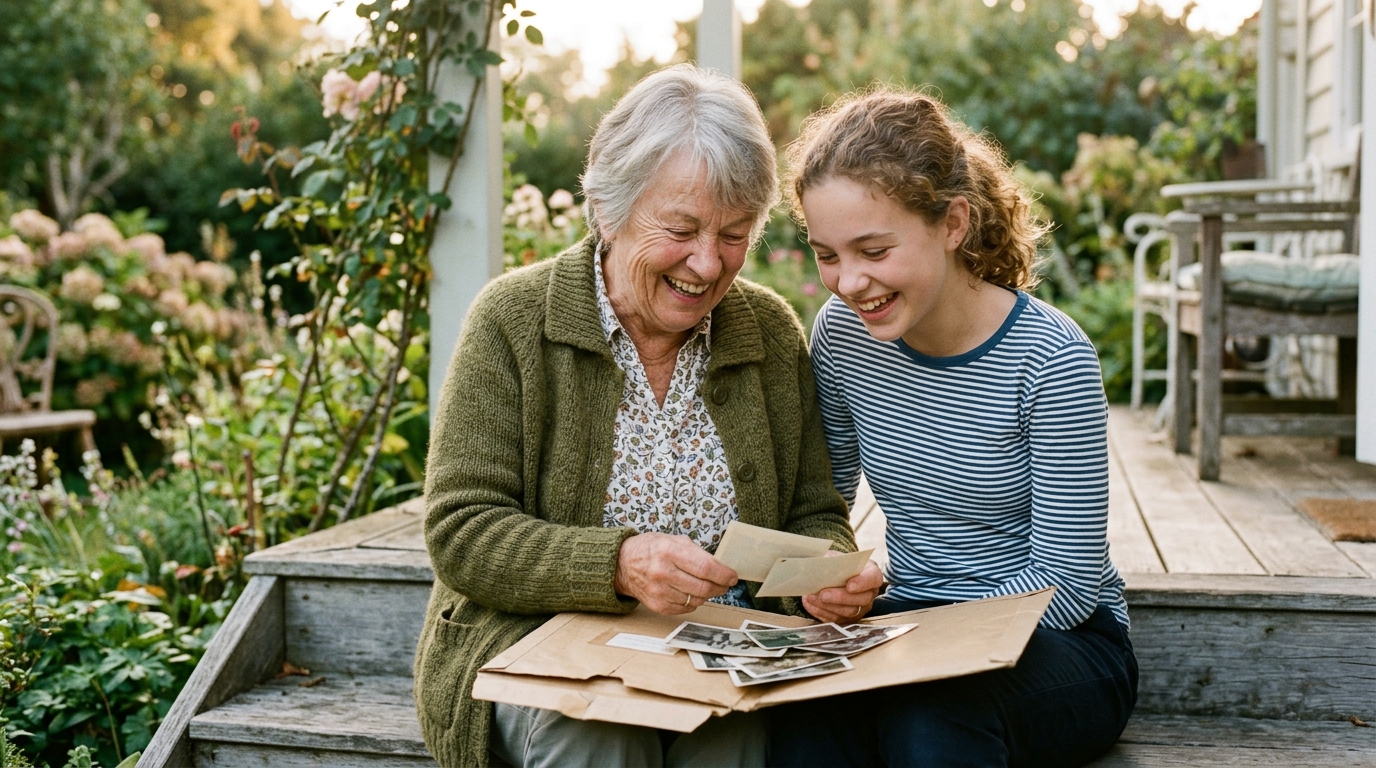
A memorable family reunion is not about matching outfits or a rigid schedule of mandatory fun. It happens when you create low-pressure moments where cousins, grandparents, and teenagers naturally talk to each other. The goal is simple: balance easy downtime with a few deliberate activities that bring your shared past into the present room.
When you are the person planning the gathering, the expectations can feel daunting. You want the older generation to feel comfortable, the younger kids to stay entertained, and the relatives who have not visited in years to feel at home right away. These steps help you create a gathering that people will talk about long after the weekend ends.
Choose a location with natural gathering spots
The venue sets the tone for how people spend their hours together. A sterile banquet hall often isolates people at round tables where they can only speak with their immediate neighbors. Places with flexible spaces allow conversations to start on their own.
Look for a venue with room to wander and sit in smaller groups:
- A park pavilion near an open lawn where kids can run while adults sit nearby in the shade.
- A rented country home with a large porch, a shared dining table, and quiet corners for conversation.
- A spacious family backyard organized with distinct areas for food, games, and resting.
If you can pick a town where your family has history, such as the neighborhood where your grandparents started out, the setting itself becomes a conversation starter.
Share responsibilities so everyone feels involved
A reunion can quickly feel like a formal event if one person handles every detail while everyone else sits back as a guest. People engage more deeply when they have a specific contribution to make.
Give small, concrete jobs to different relatives weeks ahead of time. Ask an uncle to take charge of the grill. Put two teenage cousins in charge of setting up a lawn game tournament. Ask a sibling to oversee the cold drinks. Having a clear role breaks the ice and gives distant relatives an easy reason to walk up and help.
Set up a physical memory table
Before the weekend, ask each household to bring one item that carries a family memory. This could be a vintage cake tin, an old pocket watch, a high school sports medal, or an envelope of prints from a summer vacation decades ago.
Place these keepsakes on a dedicated table in a busy part of the house or pavilion. Let people explore it on their own without making a speech. Relatives will stop to examine an object, a child will ask what a strange tool was for, and an older relative will step in to tell the backstory. If you are bringing fragile prints from old albums, check out tips on passing down family photos to keep them clean and protected.
Record short conversations between generations
Reunions bring together generations that rarely share a room. Do not let the days pass without saving the voices and memories of your elders. Instead of hovering with a phone during lunch, set up a comfortable corner away from the noise.
- Place two comfortable chairs in a quiet, well-lit room or sheltered porch.
- Pair a younger relative with a grandparent or great-aunt for a short conversation.
- Place a smartphone on a stable surface or tripod and press record.
- Give the younger person a brief prompt sheet of questions to ask grandparents, focusing on practical details like their first job, their family home, or their favorite holiday as a child.
Ten minutes is plenty. It keeps the speaker from feeling tired and gives the family an intimate record to keep for decades.
Plan mixed-age games
It is common for relatives to divide themselves by age: toddlers playing in the yard, adults sitting with coffee, and teenagers looking down at their screens. Games with mixed teams gently solve this.
A family trivia quiz works well for all ages. Write questions that require knowledge from different decades. Ask about the color of a grandparent's first car, the name of a pet from thirty years ago, or the name of a modern band the youngest kids listen to. A team cannot win unless the oldest and youngest members work together.
Classic lawn games are another great equalizer. Bocce, horseshoes, and bean bag toss do not demand running or athletic skill, which means a seven-year-old and a seventy-year-old can easily play on the same team.
Share the archive without a long presentation
Many gatherings include a slideshow where everyone sits in the dark while hundreds of photos cycle on a projector. These presentations can drag on, and younger children quickly lose interest.
A lighthearted, brief video shown once before dessert works far better. If you want to honor an older relative or celebrate the entire family line, you can create a family tribute that weaves your restored snapshots and home clips together. Linof turns your family photos and home video clips into a short film with music, an opening title, and animated moving shots, and your first animation is free. Showing a concise video of five or six minutes captures everyone's attention and leaves plenty of time for conversation.
Gather family recipes on paper
Family dishes carry strong memories. The smell of a specific baked bread or a particular holiday stew can instantly bring back memories of a grandmother's kitchen.
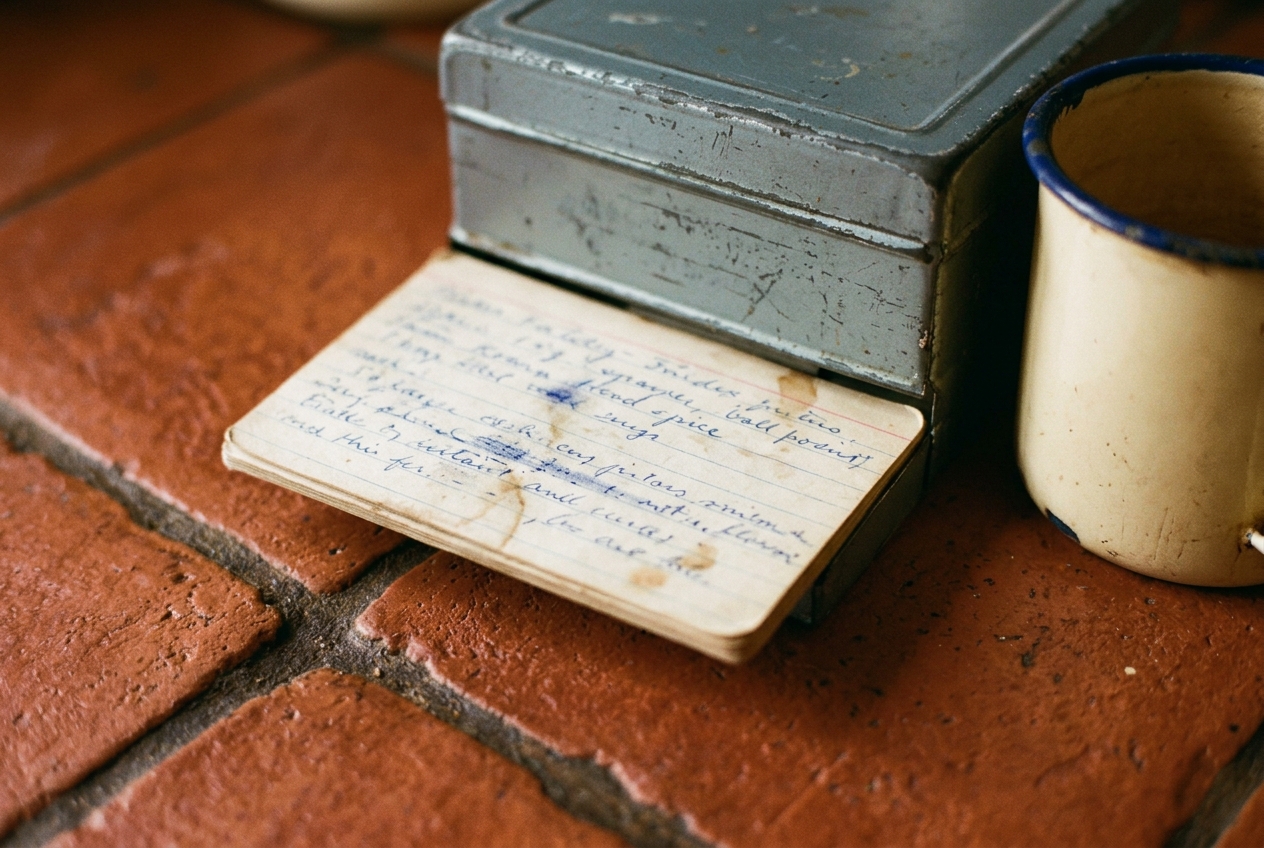
Ask every branch of the family to bring their favorite signature dish along with the recipe written out on an index card. Place a wooden or metal box by the food table where cooks can drop their cards. After the reunion, one person can scan the handwritten cards and share a simple recipe booklet with everyone who attended. It ensures beloved kitchen traditions do not fade away.
Capture candid pictures from different perspectives
You want good photos from the weekend, but you do not want everyone staring into smartphone screens while trying to visit. Give simple disposable or basic compact cameras to the school-age children and tell them they are the day's photographers. Children hold cameras at a completely different eye level than adults. They capture candid laughs, dogs under tables, and quiet conversations that formal group shots miss entirely.
Close the gathering with a clear ritual
When departure time arrives, packing cars and saying goodbye can feel chaotic and rushed. Create a calm moment that marks the official end of the reunion.
Gather everyone for a final group photo outside while the light is still good. Afterward, pass around a blank journal where each person writes a single sentence about their favorite conversation or meal from the weekend. Closing the book marks the finish of the gathering and leaves you with a warm record to look back on until everyone meets again.
Questions
How far in advance should I start planning a family reunion?
Starting six to nine months ahead gives people enough time to request time off work, book travel, and coordinate schedules. Venues like park pavilions or large rental homes often fill up quickly, so reserving the space early removes the biggest hurdle.
What is the best way to handle food at a family reunion?
A hybrid approach usually works best. Assigning main barbecue items or a catered base meal to a shared budget keeps things simple, while inviting local relatives to bring salads, desserts, and sides ensures plenty of variety without overwhelming one person with all the cooking.
How can I get teenagers to participate at a family reunion?
Give teenagers real responsibilities rather than forcing them into organized children's games. Putting them in charge of managing the music playlist, running a lawn tournament, or leading the video recording gives them a natural role and helps them connect with relatives on their own terms.
Written by
Rachel Shiraz