What is a memory film?
A memory film turns boxes of loose photographs and hours of unwatchable home tapes into a short, meaningful film set to music.
Rachel Shiraz · 1 October 2026 · 5 min read
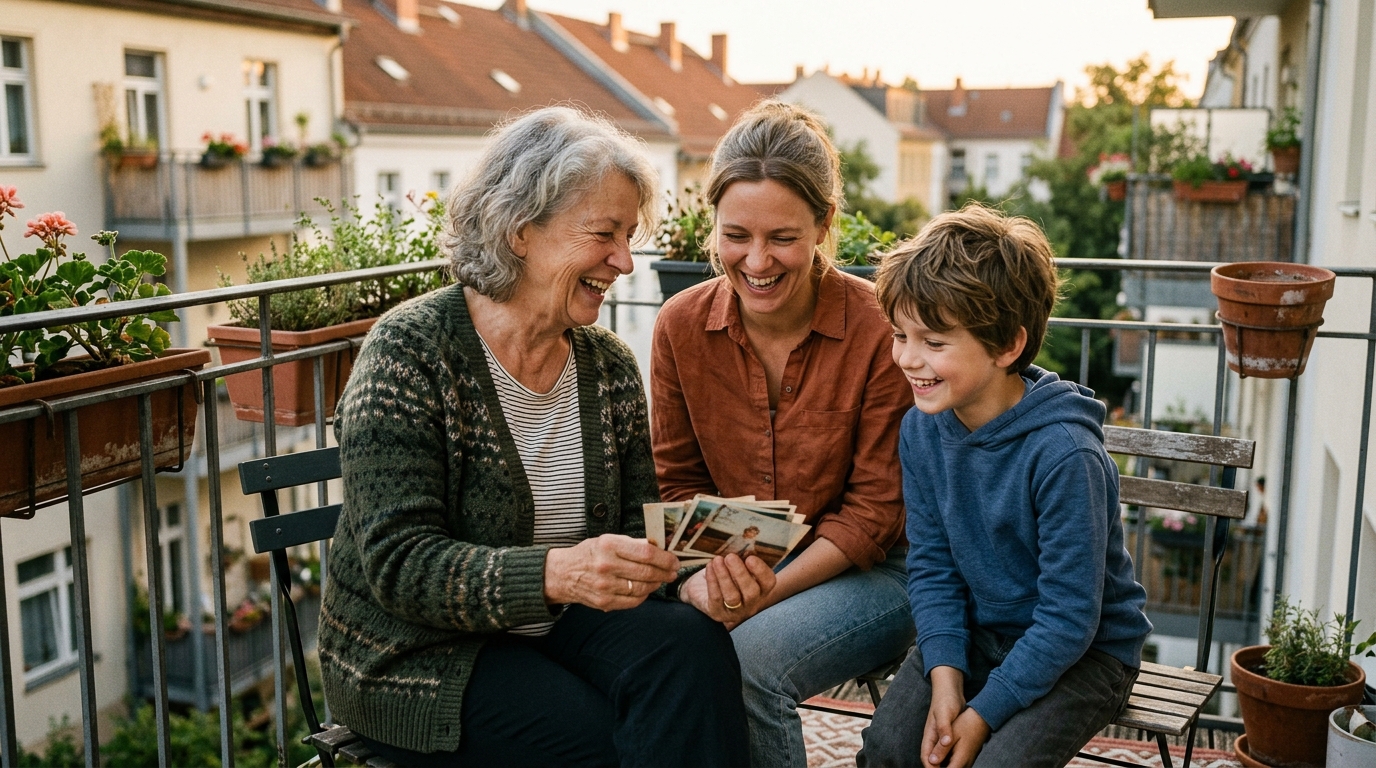
A memory film is a short, carefully edited film that combines your best family photographs and home video clips, set to music. It turns a scattered archive of loose paper prints, reels, and digital files into a clear story you can watch in one sitting. Instead of asking people to sit through hours of raw recordings, a memory film leaves in only the moments that carry genuine feeling.
Most families have media spread across several formats. You might have a box of prints in a closet, a few camcorder tapes in the basement, and hundreds of snapshots on a phone. When those items sit untouched, nobody sees the history inside them. A memory film takes those pieces, puts them in order, and creates something you can share on a screen during an anniversary, a milestone birthday, a memorial, or a quiet evening at home.
Why raw family archives stay on the shelf
Transferring old recordings onto a hard drive is an important first step, but raw files rarely get watched. An unedited videotape from thirty years ago often runs for two solid hours. The camera shakes, someone walks into the frame and blocks the view, and the lens rests on the living room floor for five minutes while people talk in the kitchen.
Watching that kind of raw footage requires patience and a fast-forward button. You search through yards of tape just to catch five seconds of a grandmother smiling or a child blowing out candles. The experience can feel exhausting rather than comforting. If you are wondering what to do with old home videos, the real solution is editing. You keep the parts that spark recognition and leave the rest in the archive.
The core elements of a memory film
A memory film works because it respects the attention of the people watching. It relies on a few straightforward choices:
- A short runtime: Most memory films run between three and seven minutes. That length fits the natural pace of an event or a family gathering, holding the room together from the opening second to the end.
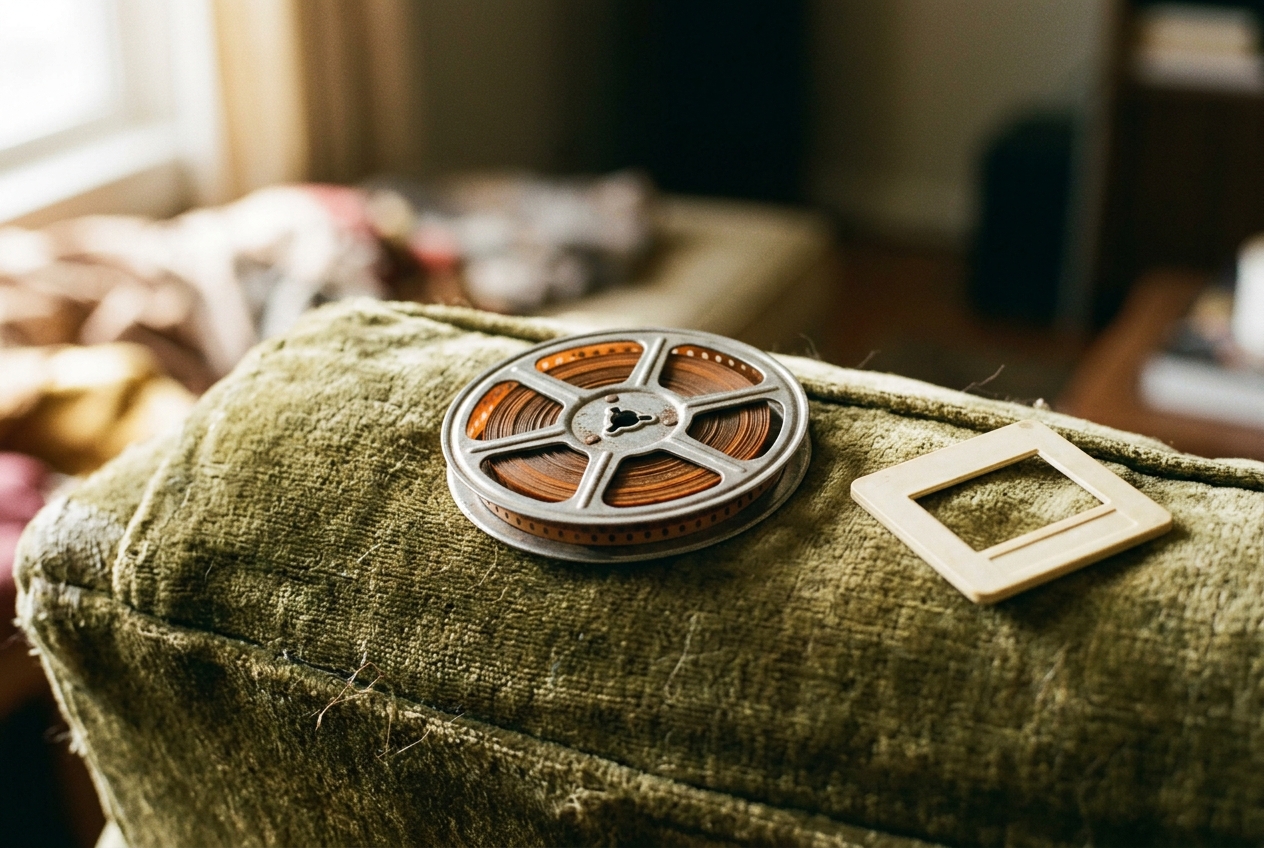
- A blend of formats: Memories do not come in just one shape. A film might shift from a black-and-white print from the nineteen-fifties to a short clip from a camcorder tape, then to a recent color photo. That movement creates rhythm.
- Music instead of background noise: Microphones on older home video cameras caught wind, motor hum, and muffled conversation. Replacing that harsh sound with thoughtful music creates a warm, steady atmosphere that ties different eras together.
- A clear structure: A good film has an opening title, a beginning, a middle, and closing words that give the viewer a sense of completion.
How to choose the right moments
The hardest part of building a memory film is cutting down the volume. You might begin with two hundred photographs and three hours of tape. Trying to include everything leads to a rushed slideshow that overwhelms the viewer.
To make your selection easier, follow our guide on choosing photos and videos for practical selection steps. You can also organize your material around three basic milestones:
- Early beginnings: Pick three or four clear images of the person or couple when they were young, showing their early home, their interests, or their wedding day.
- The busy middle years: Choose clips and pictures showing family life, vacations, holiday meals, and everyday routines. Focus on genuine interactions rather than formal poses.
- Recent years and current generations: Conclude with photos that include children, grandchildren, or close friends, bringing the timeline up to the present.
Focusing on expression over technical quality
People often reject an old photo because the focus is soft or the corner is creased. In a memory film, an imperfect snapshot with genuine laughter is always better than a formal studio portrait with stiff smiles. Look for pictures where the subject is doing something characteristic: laughing at a table, working on a car, holding a pet, or dancing in the kitchen. Those moments reveal real personality.
Setting the tone with music
Music drives the emotion of the film. A slow, gentle acoustic melody can turn simple clips into a tender tribute. A lighter, upbeat track gives the room permission to laugh at awkward eighties haircuts and vintage fashion.
Pick instrumental tracks or songs with modest arrangements that do not compete with the images. The goal is to support the faces on screen, not distract from them. When the music changes tempo, that change should match a shift in the timeline, such as moving from quiet childhood years to the energetic arrival of children.
Repairing and animating still photographs
Photographs capture a single instant, but modern restoration can give them new life on a television screen. Dust and scratches can be removed, and faded color can be restored so faces look clear again. Old prints can also be animated into short moving shots, turning a still portrait into a gentle living moment on the timeline.
If you want to create a complete film without spending weeks learning complicated video software, Linof turns your family photos and video clips into a finished film with music and titles, and the first animation is free. It helps you save hours of editing time while preserving the character of the original media.
Sharing the film with your family
A memory film finds its real purpose when you show it to the people you love. Raw tapes are usually watched alone at a computer desk. A finished film can be cast to a living room screen or projected on a wall during an anniversary party or a holiday dinner.
When older family members see their early years organized into a clean story, it often prompts them to talk about events they had forgotten. Younger family members get to see their relatives as young, vibrant people who lived full lives long before the present day. It turns an archive into an active conversation, which is the best way to preserve family memories for the years ahead.
Start small. Open one box or one digital folder this week. Pull out ten images and two video clips that make you smile. Once you see those pieces together, building a memory film becomes one of the most rewarding projects you will ever take on.
Questions
How long should a memory film be?
Most memory films run between three and seven minutes. This length is easy to share at a gathering and keeps everyone engaged from start to finish. Longer archives can always be edited into separate chapters for different decades.
What media can I include in a memory film?
You can mix scanned paper prints, modern digital photos, digitized videotapes, and movie film reels. Combining still pictures with short video clips creates variety and keeps the timeline interesting.
Do I need professional video editing software to make one?
No, simple consumer tools or dedicated film creation services can combine your materials with music and titles. The most important step is simply selecting the best moments rather than having advanced technical skills.
Written by
Rachel Shiraz