In this article▾
Growing up in the nineteen-eighties and nineties meant living through the last era before the world became permanently connected. If you were a kid during those two decades, you remember a daily routine built around physical objects, patience, and shared cultural rituals that vanished almost overnight.
Today, everything from music to childhood photos arrives instantly on a glass screen. Looking back at these specific memories is not just about sentimental objects; it is about remembering a completely different rhythm of life.
The physical world of entertainment
Nothing happened automatically. Entertainment required hands, small tools, and careful maintenance.
Cassette tapes and the pencil trick
When a favorite cassette tape tangled inside a portable player or car stereo, panic set in. You pulled out the black plastic spool carefully, grabbed a hexagonal yellow pencil, inserted it into the gear teeth, and rewound the ribbon by hand. Recording your favorite songs off the radio meant sitting next to the boombox for hours with two fingers hovering over the play and record buttons, hoping the disc jockey would stop talking before the song began.
Blowing into video game cartridges
When a home video game console flashed a blank gray screen or scrambled pixels, every kid used the same unwritten repair manual: pull the grey cartridge out, take a deep breath, blow sharply into the bottom pins, and press it firmly back down. It probably did nothing to help the electronics, but when the title screen appeared, it felt like a triumph.
The video rental store on Friday evening
Friday nights meant standing in the narrow aisles of a rental shop, looking at plastic cases. If someone already took the movie you wanted, you stared at the empty shelf behind the display box, hoping an employee would walk out of the back room holding a freshly returned copy. You also had to remember the golden rule: rewind the tape before sliding it into the drop slot outside, or risk a small fine on your family account. Today, many families still keep home movies preserved in that exact format, often wondering how to convert VHS to digital so those memories do not disappear.
Everyday rituals around the house
Childhood took place in shared physical spaces because personal devices did not exist yet.
- The landline phone with the stretched cord: Talking to a friend or middle school crush meant standing in the kitchen or hallway, stretching the coiled plastic cord as far around the corner as possible for privacy. If someone picked up an extension phone in another room, you could hear their breathing.
- Dial-up internet screeching: When personal computers finally connected to the web, the sound announced itself to the whole house. A rhythmic series of chirps, static, and high-pitched rings blocked the home phone line for an hour while a single low-resolution image took minutes to load.
- Looking up phone numbers in thick books: Finding a business or calling a school friend required pulling a heavy yellow or white phone directory off a low shelf and tracing your finger down columns of tiny text.
- Checking the paper guide for cartoon schedules: You could not pause Saturday morning cartoons. If you missed an episode, you waited months for summer reruns. You planned your morning around the printed television listings delivered on the weekend.
Waiting for memories to develop
Photography in the eighties and nineties was precious because you had no idea what your pictures looked like until days after taking them.
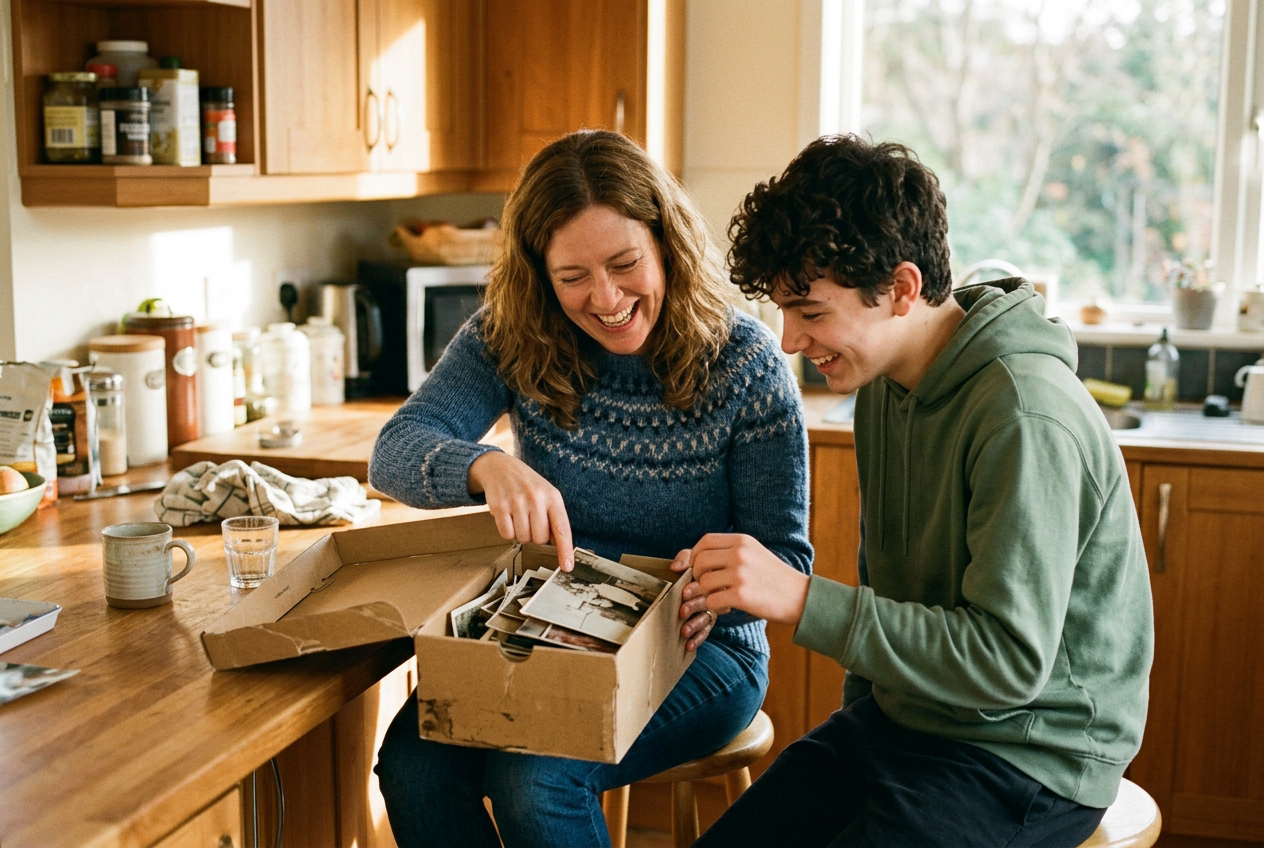
Families bought twenty-four or thirty-six exposure film canisters. Parents hoarded those frames for birthdays, holidays, and summer trips. You took a single picture of an event, not twenty burst shots. If someone blinked or looked sideways, that was simply the photo you kept. The history of the family photo album is filled with these slightly off-center, authentic moments.
After a trip, your parents dropped the film canisters off at the local chemist or photo counter. You waited three to seven business days. Picking up that double-thick paper envelope and flipping through the glossy prints in the passenger seat of the car was an event in itself. Half the prints were blurry, someone’s thumb covered the corner of a flash, and three photos were accidental shots of the floorboards, yet every single print went into an album or a shoebox in the closet.
Playground life without screens
Social life operated under rules that current generations rarely experience.
- The streetlights were your curfew: Parents did not track phones or send text messages. You rode your bicycle around the neighborhood, knocked on front doors to see if friends could come outside, and simply returned home when the orange street lamps flickered on at dusk.
- Passing folded paper notes in class: Keeping secrets in school required careful origami. Notes were folded into tight triangles or pull-tab squares and slipped across desks when the teacher turned toward the chalkboard.
- Memorizing home phone numbers: Every child had ten to fifteen phone numbers memorized by heart. You dialed them with your fingers so many times that the sequence became muscle memory.
- Collecting trading cards and small trinkets: Recesses were organized around trading sports cards, stickers, plastic game pogs, or digital pocket pets that beeped inside backpacks whenever they needed feeding.
Bringing those decades back to life
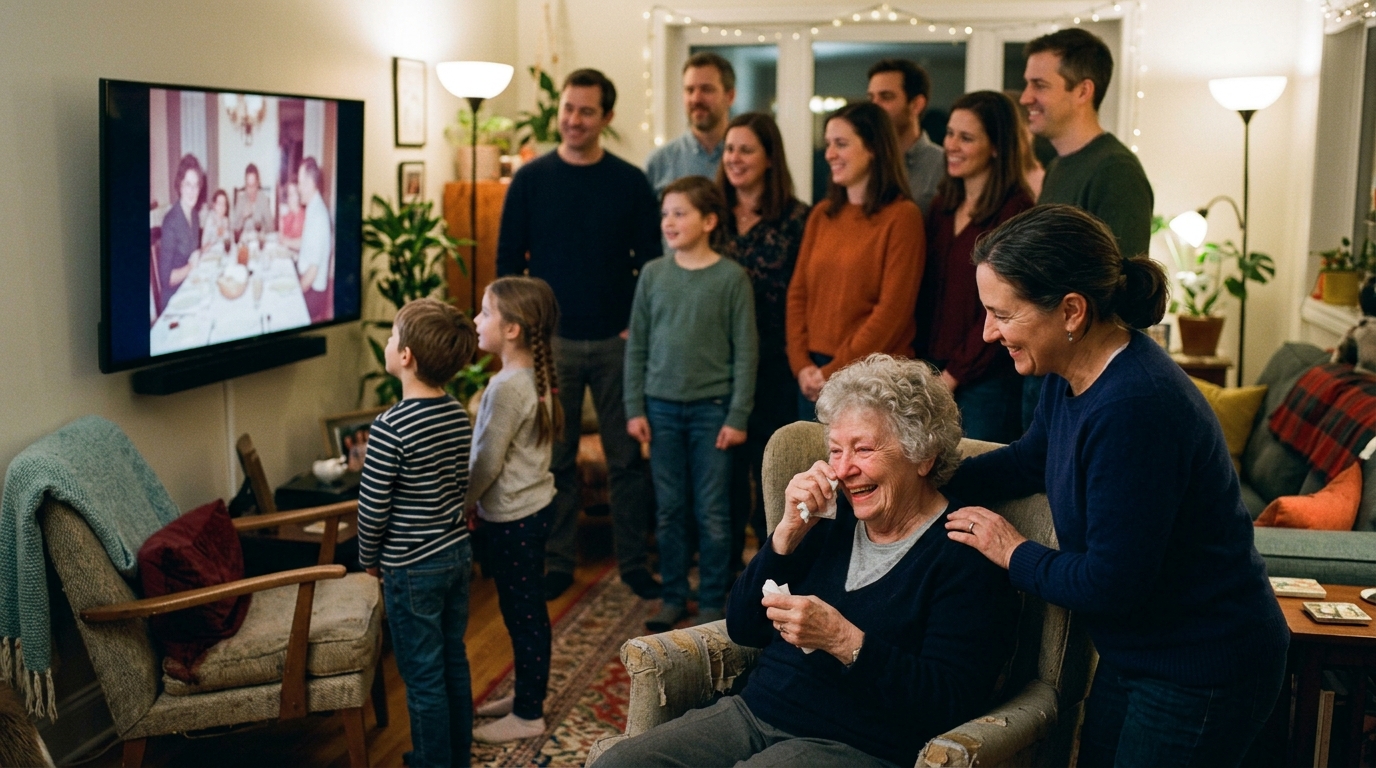
If you were born during those years, you are now likely the person planning milestone birthdays, school reunions, or celebrations for your own parents. You might have inherited a closet packed with yellowing photo envelopes, slides, and heavy videotapes that recorded birthday parties and family barbecues from 1988 or 1995.
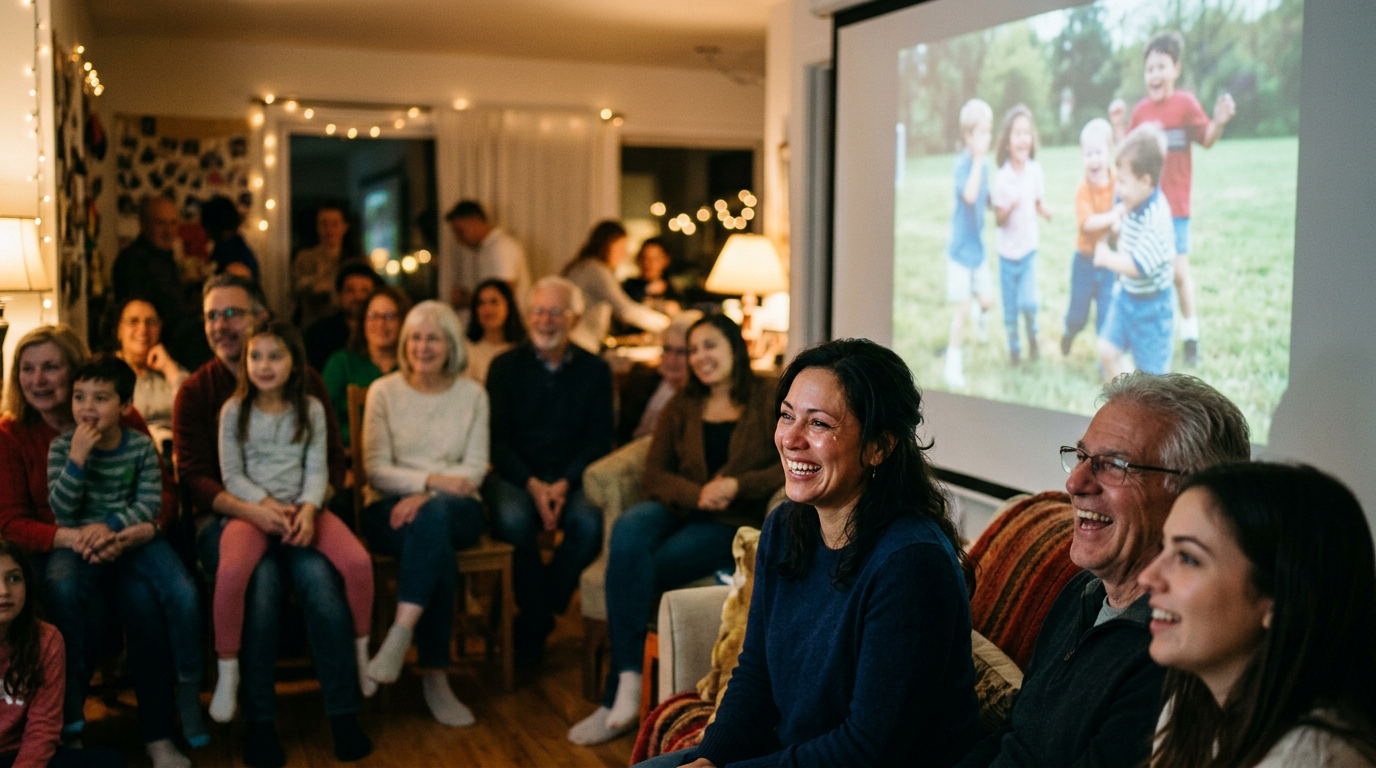
Preserving those moments is the best way to share that unique childhood with younger family members who only know a digital world. If you are putting together a celebration for someone special, a growing up film can trace that journey year by year. Linof repairs old prints, brings faded color back, and animates still photographs into short moving shots with music, and your first animation is free.
Whether you are preparing a tribute film for an upcoming party or simply sitting down with your children to explain why you had to rewind cassette tapes with a pencil, these memories remind us of a slower, tactile world that shaped who we are today.
Questions
Why do people feel so nostalgic for the 80s and 90s?+
Those decades represent the final period before smartphones and constant online connectivity changed daily life. People remember the tangible nature of physical media, slower routines, and childhood freedom that did not leave a digital trail.
What should I do with my old 80s and 90s family photos?+
Sort your physical prints into acid-free archival boxes away from heat and direct sunlight. Scanning them at high resolution ensures the color and details are preserved before prints fade or suffer physical damage.
Can VHS tapes from the 80s and 90s still be played today?+
Magnetic tape slowly degrades over decades, meaning old home videos risk losing picture quality or snapping if left unplayed. Digitizing those tapes into modern computer files allows you to view and share them safely without risking the original tapes.
Written by
Rachel Shiraz